Not all conditions require intervention. Many patients benefit from diagnostic clarification and structured rehabilitation alone.
Treatment plans are structured and individualised, often integrating rehabilitation, load modification, and appropriate interventions.
Where clinically indicated, procedures and adjunctive therapies are integrated into individualised rehabilitation strategies to optimise recovery and long-term tissue health.
Accurate diagnosis underpins effective treatment planning. Dr Jomaa is a specialist Sport & Exercise Physician with particular expertise in:
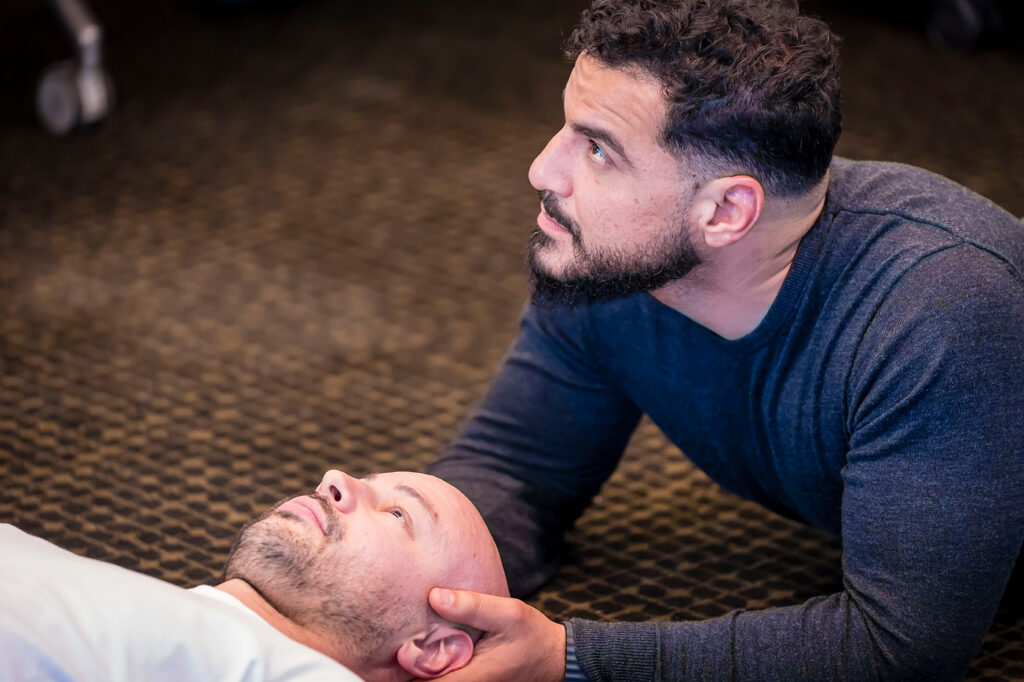
Ultrasound guidance allows precision targeting of joints, tendons, ligaments, and peri-neural structures when intervention is clinically indicated.
Procedures may include:
Biological therapies aim to support the body’s intrinsic healing processes rather than simply suppress symptoms.
When clinically appropriate, these therapies may be integrated within structured rehabilitation programs to support tissue recovery, improve function, and in selected cases help slow degenerative progression.
Selection is guided by clinical evidence, injury characteristics, and individual patient goals.
Metabolic health and systemic recovery capacity influence musculoskeletal outcomes.
Many musculoskeletal injuries can be managed effectively without surgery when assessed early and approached methodically. Surgical referral is considered where clearly indicated, and coordinated when appropriate.
A referral from a GP is generally required to access Medicare rebates. If you are unsure whether you require a referral, please contact the practice for clarification.
Suitability is determined following detailed clinical assessment, imaging review where required, and discussion of individual goals. Management decisions are tailored to the specific injury, timeline, and functional demands of each patient.
No. Injections are considered only when clinically indicated. Many conditions improve with structured rehabilitation, load modification, and targeted exercise alone. Interventions are integrated selectively as part of an individualised management plan.
Platelet-rich plasma (PRP) is a biological therapy derived from a patient’s own blood. When clinically appropriate, it may be used within a structured rehabilitation program to support tissue recovery and function. Suitability is assessed individually following consultation.
Yes. Persistent or unresolved pain presentations are approached through comprehensive reassessment, addressing biomechanical, load-related, and systemic contributors where relevant.
Telehealth consultations are available for selected presentations and follow-up appointments. Initial assessments may be recommended in person where clinically appropriate.
Yes. Assessment and return-to-play decision making for sports-related concussion form part of the practice.
Suitability for any procedure or therapy is determined following clinical assessment and discussion of risks, benefits, and alternatives.