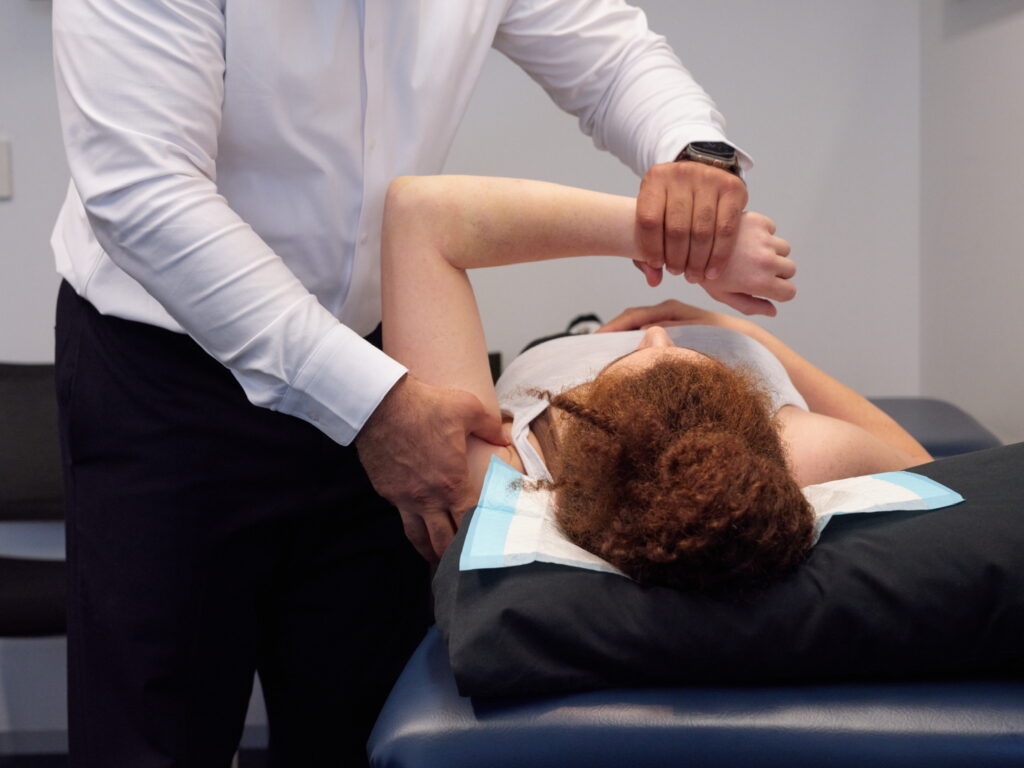
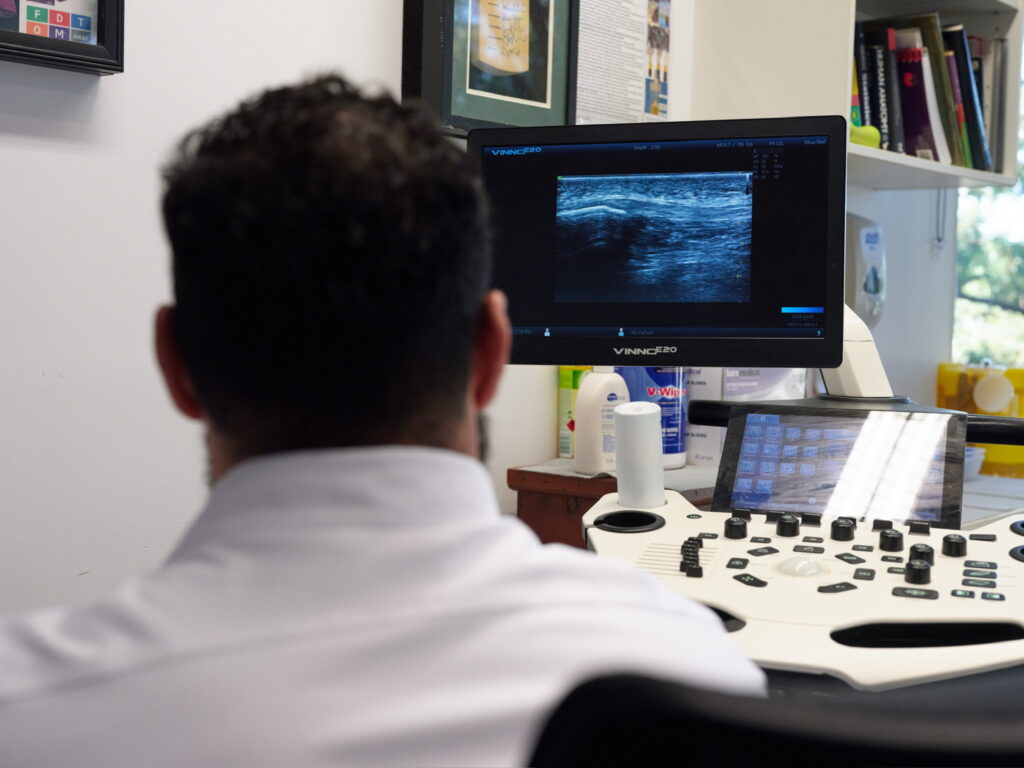
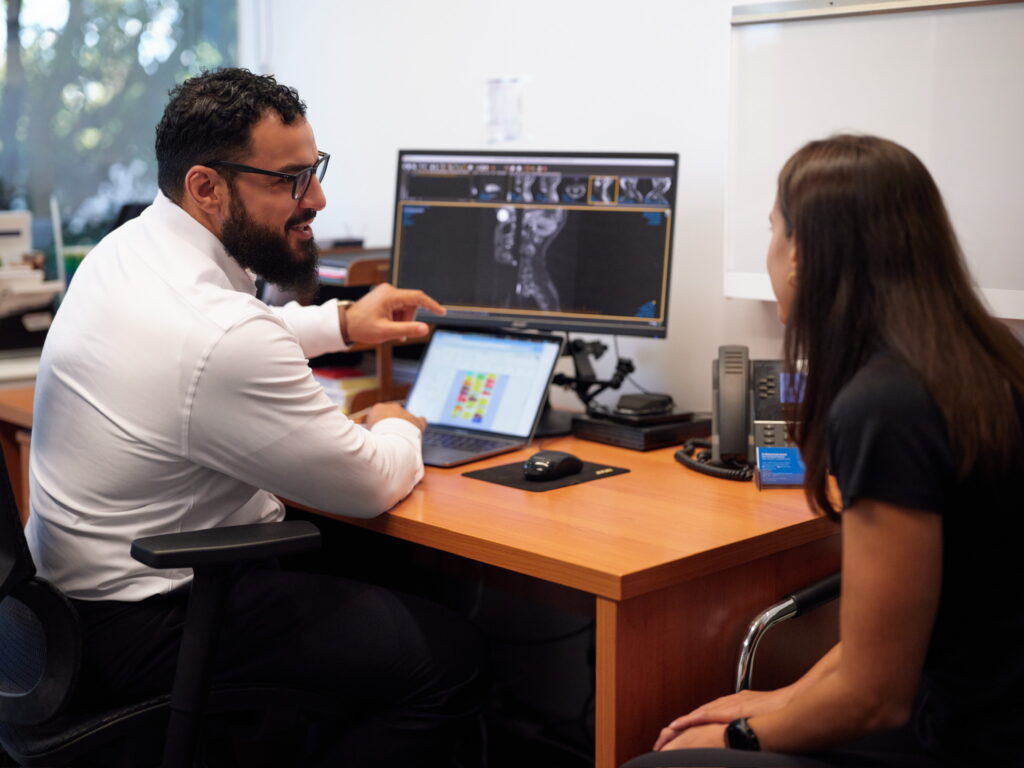
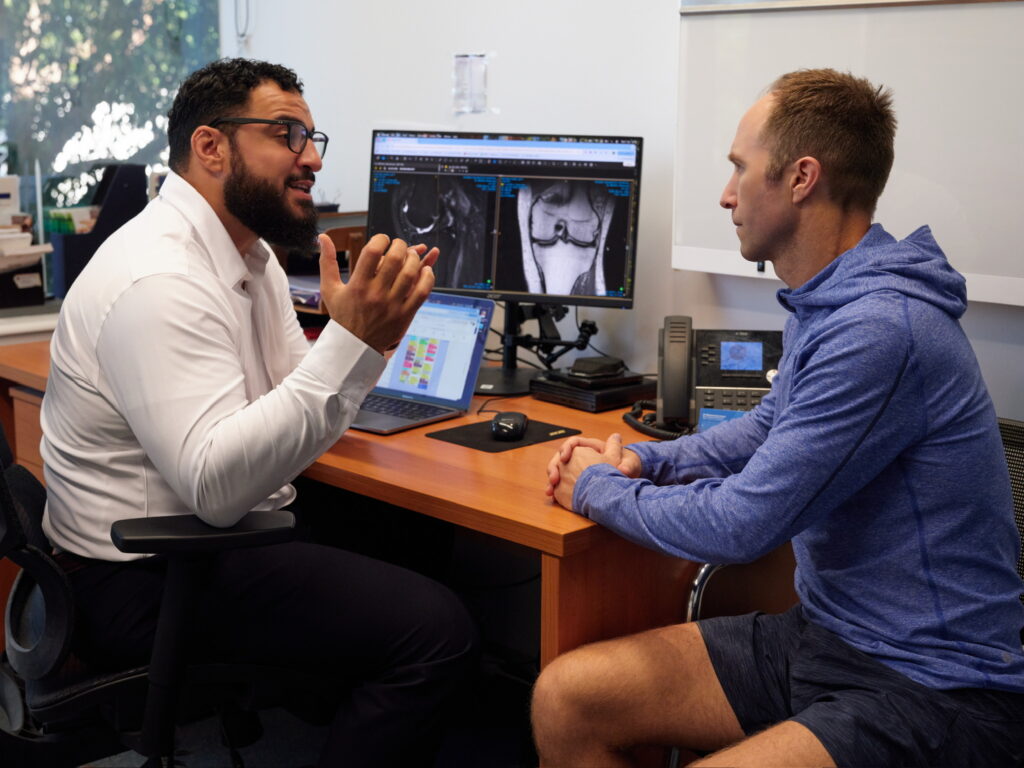
Effective musculoskeletal care begins with accurate diagnosis, structured rehabilitation, and tissue health optimisation.
Many joint, tendon, and ligament conditions can be managed non-operatively when assessed early and approached methodically.
In the right patient, interventional and regenerative therapies are used strategically as adjuncts to disciplined recovery to support tissue healing.
Durable outcomes require clarity as to the key underlying issues and an integrated, long-term approach to tackling them.
Acute joint injuries require early accurate diagnosis and structured management to optimise long-term joint health.
Selected ACL injuries can be managed non-operatively in appropriately screened patients using structured rehabilitation protocols.
Read more about non-operative ACL injury management.
Read more about meniscal tears and when surgery is required
Tendon and ligament injuries often fail to settle without targeted load management. In selected cases, biologic support is integrated into rehabilitation.
Learn more about chronic tendinopathy and why it fails to settle.
Learn more about PRP in tendon injuries.
Persistent pain is rarely explained by structure alone and often reflects an interaction between tissue capacity, load, biomechanics, and more holistic systemic factors that require comprehensive reassessment.
Degenerative and load-related conditions can often be stabilised and meaningfully improved through early intervention, structured rehabilitation, and strategic adjunctive therapies.
Learn more about how lifestyle influences joint health
Learn more about injection options to manage arthritis
Concussion management requires structured assessment, symptom-guided progression, and careful return-to-play planning to ensure safe and durable recovery.
Body composition and metabolic health influence pain, tissue recovery, and performance outcomes.
Where clinically appropriate, Guidance is provided on sustainable health optimisation strategies, including both lifestyle-based and medically supervised approaches.
If you are unsure whether your condition falls within this scope, a consultation can clarify diagnosis and appropriate management options.